Optimal Timing for Faux Rock Siding
Faux rock siding installations can be performed effectively during various times of the year, but certain conditions optimize durability and appearance. The best time for installation typically depends on weather conditions, temperature, and humidity levels, which influence adhesion and curing processes.
Spring offers moderate temperatures and lower humidity, making it ideal for faux rock siding installation. Mild weather reduces the risk of material warping or improper curing.
Early summer can be suitable if temperatures are not excessively high. Avoiding peak heat hours helps prevent issues related to quick drying or material cracking.
Fall provides cooler temperatures and less humidity, creating favorable conditions for installation before winter sets in.
Winter is generally not recommended due to cold temperatures, which can hinder adhesive curing and cause material brittleness.
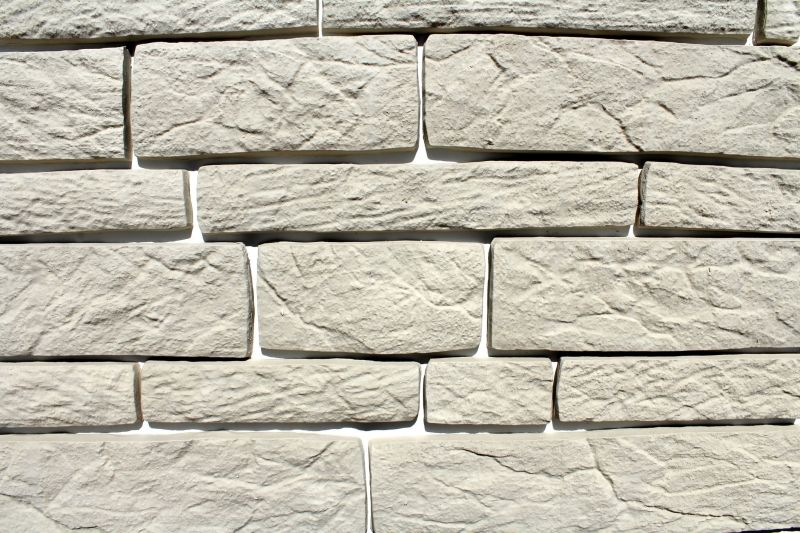
Ways to make Faux Rock Siding Installations work in tight or awkward layouts.
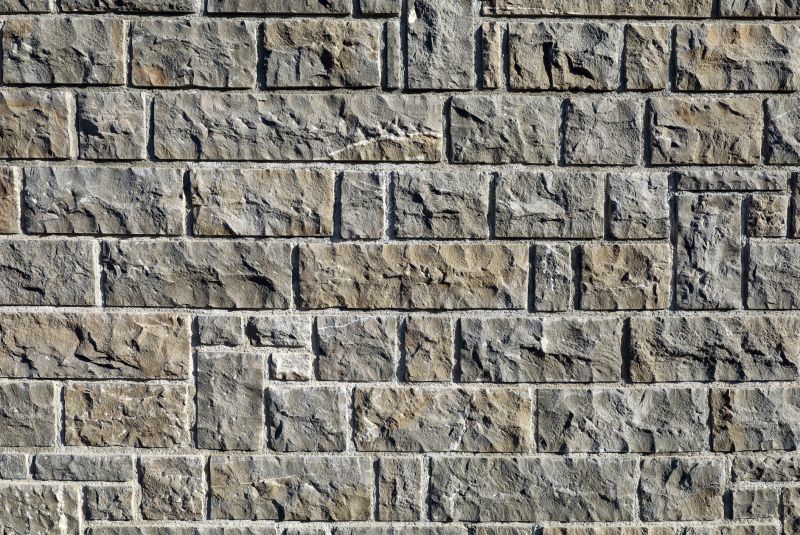
Popular materials for Faux Rock Siding Installations and why they hold up over time.
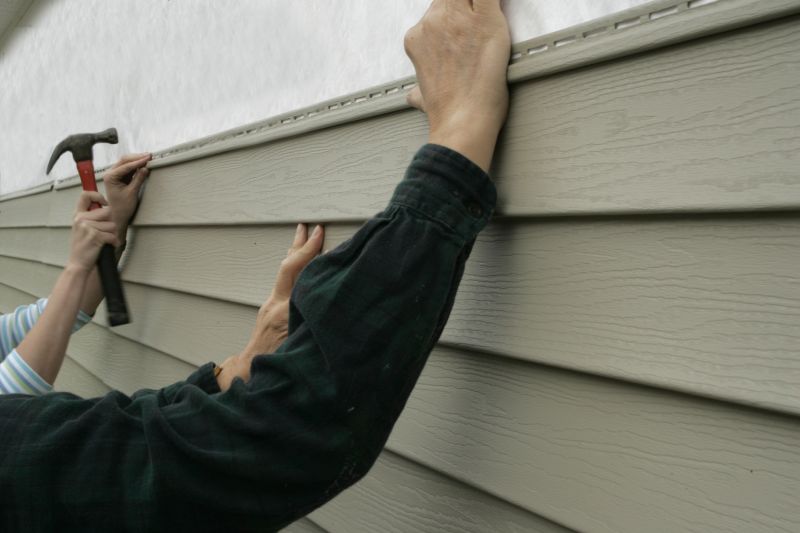
Simple add-ons that improve Faux Rock Siding Installations without blowing the budget.

High-end options that actually feel worth it for Faux Rock Siding Installations.
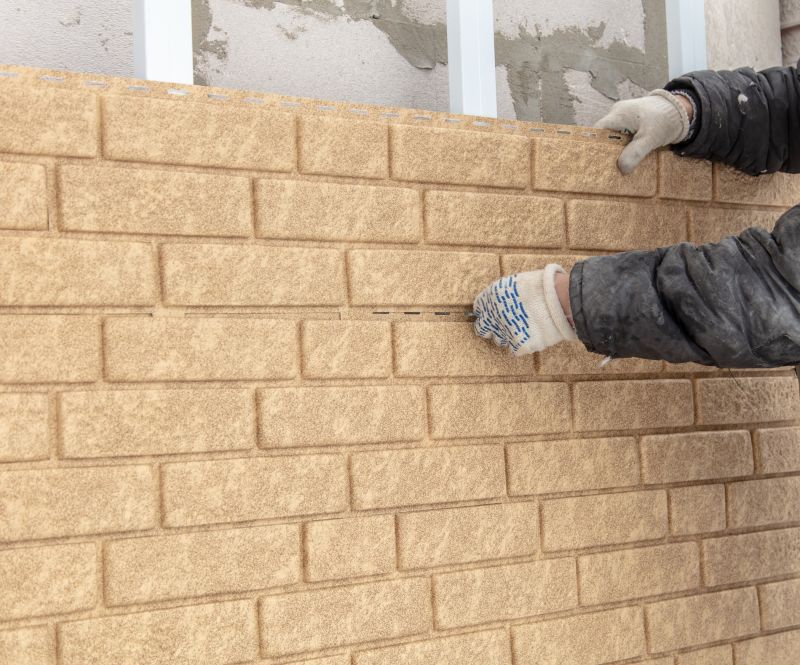
Finishes and colors that play nicely with Faux Rock Siding Installations.

Little measurements that prevent headaches on Faux Rock Siding Installations day.
Faux rock siding offers a versatile and attractive exterior option that mimics natural stone while being lightweight and easier to install. It is popular for enhancing the aesthetic appeal of residential and commercial buildings. The material is durable, resistant to pests, and requires minimal maintenance, making it a practical choice for various climates.
Statistics indicate that proper installation timing can extend the lifespan of faux rock siding by ensuring optimal adhesion and reducing the risk of damage. Typically, installations performed during moderate weather conditions result in fewer callbacks and lower long-term maintenance costs.
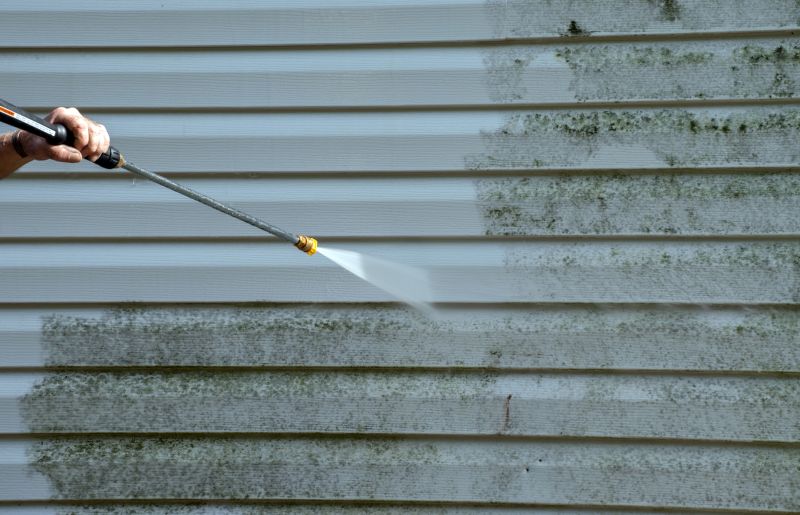
A 60-second routine that keeps Faux Rock Siding Installations looking new.
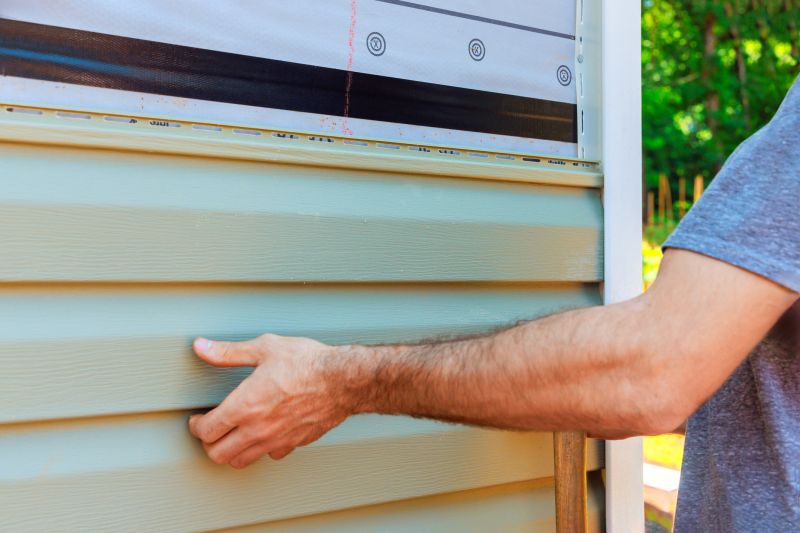
A frequent mistake in Faux Rock Siding Installations and how to dodge it.

Small tweaks to make Faux Rock Siding Installations safer and easier to use.
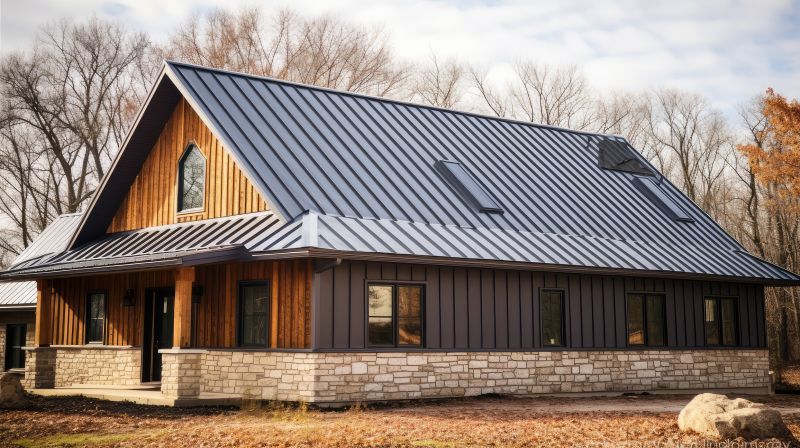
Lower-waste or water-saving choices for Faux Rock Siding Installations.
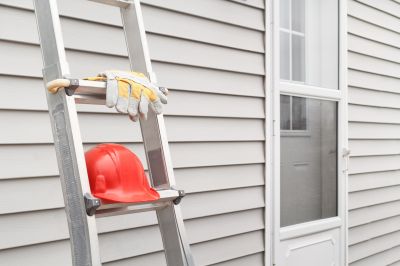
The short, realistic tool list for quality Faux Rock Siding Installations.

Rough timing from prep to clean-up for Faux Rock Siding Installations.
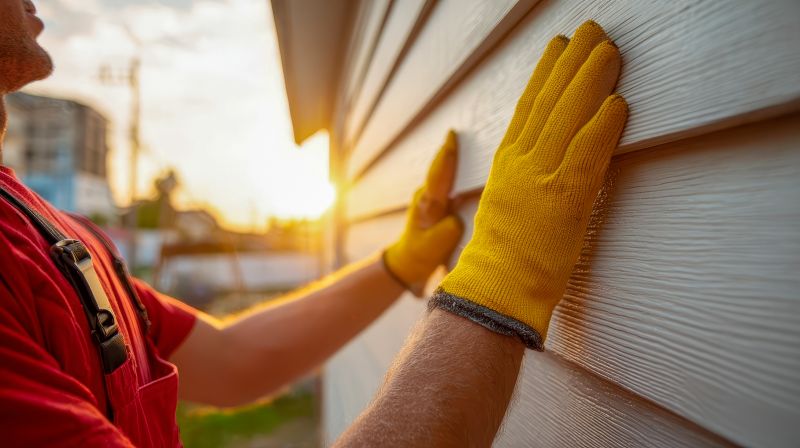
Quick checks and paperwork to keep after Faux Rock Siding Installations.
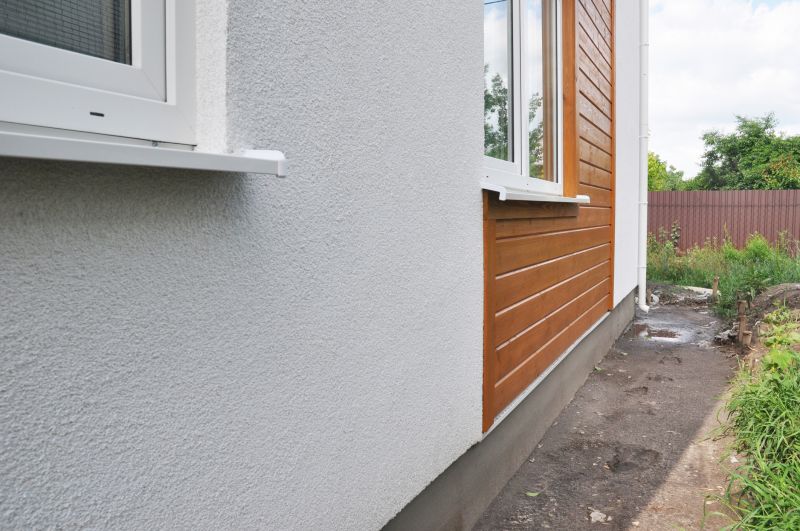
Examples that show the impact a good Faux Rock Siding Installations can make.
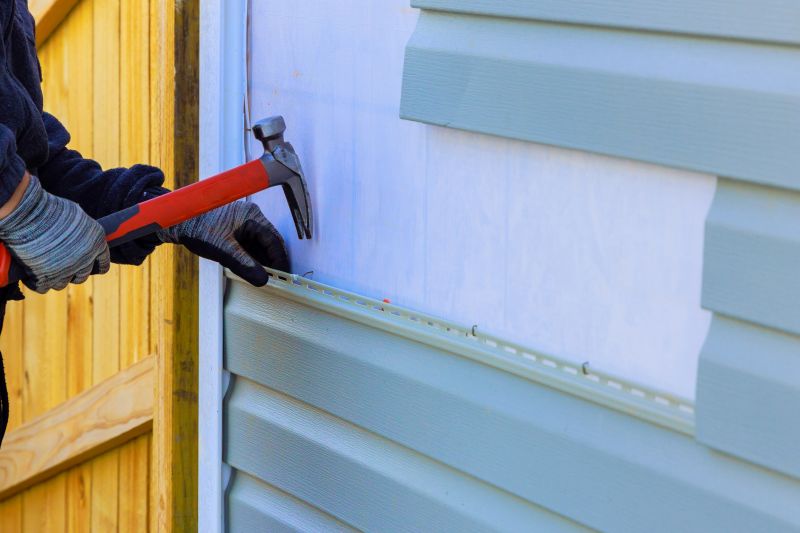
Ways to make Faux Rock Siding Installations work in tight or awkward layouts.
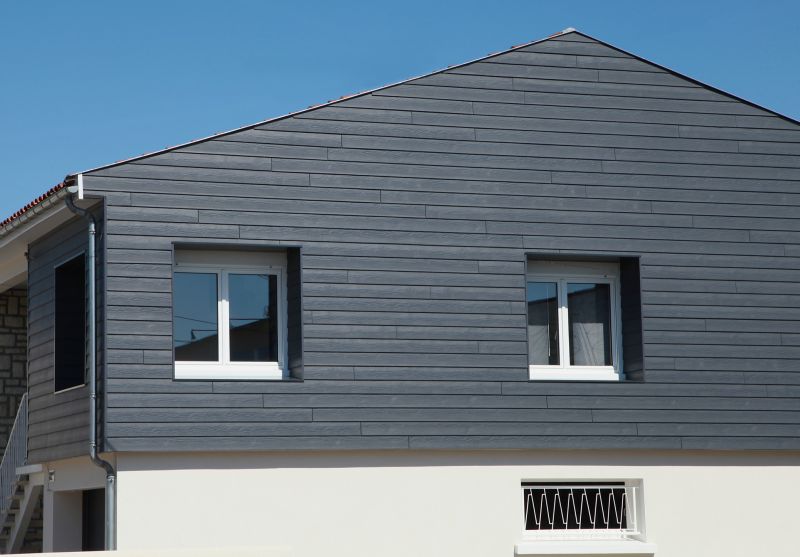
Ways to make Faux Rock Siding Installations work in tight or awkward layouts.
| Season | Ideal Conditions |
|---|---|
| Spring | Moderate temperatures, low humidity |
| Summer | Early summer, avoid peak heat |
| Fall | Cool temperatures, low humidity |
| Winter | Cold temperatures, not recommended |
| Late Spring | Optimal for adhesion and curing |
| Early Fall | Good transition period for installation |
Interested in faux rock siding installation? Filling out the contact form can provide further guidance and scheduling options to ensure the best results based on local climate conditions.